

Description
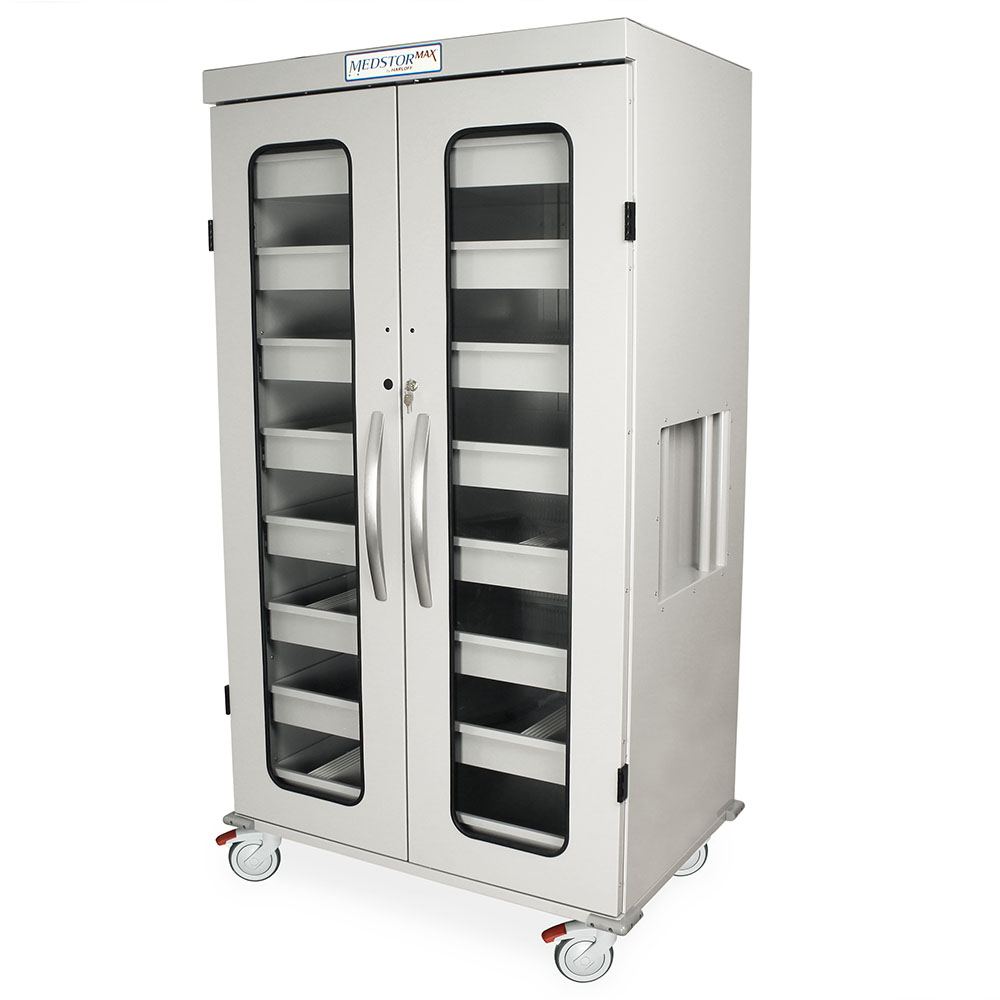
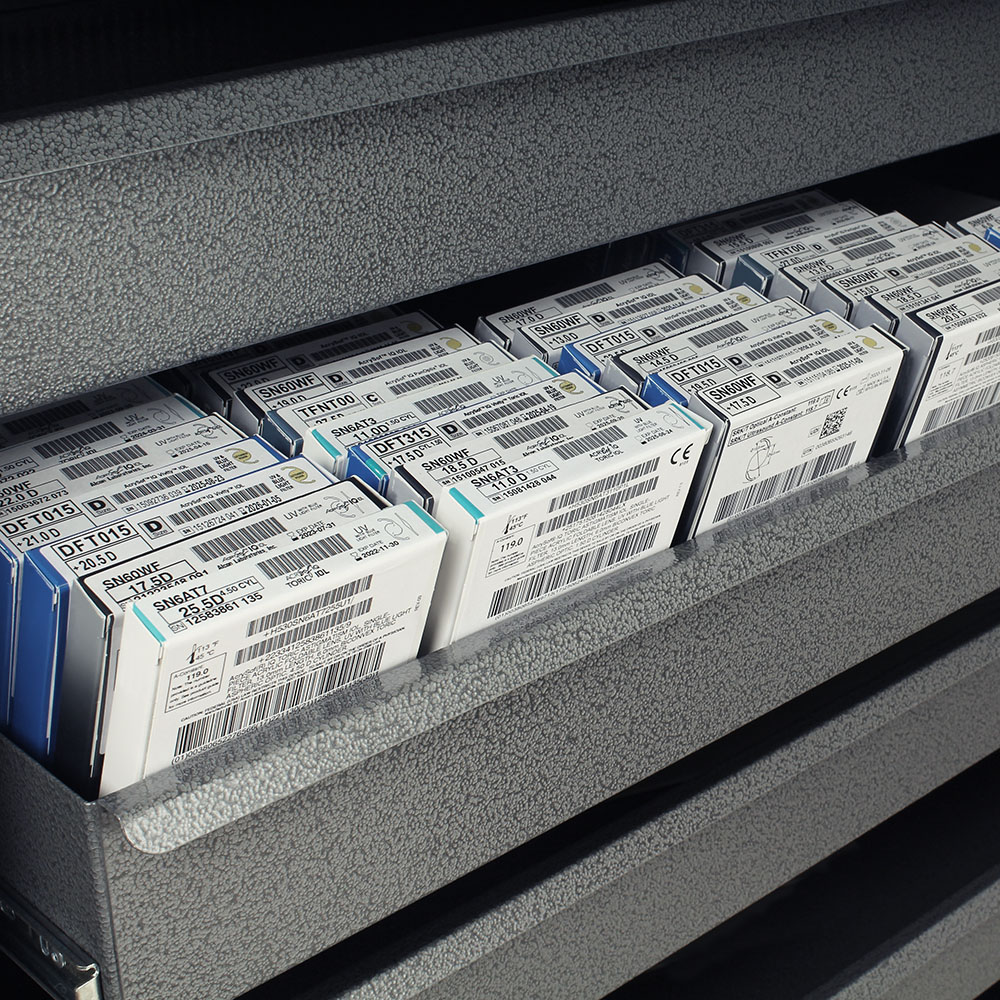
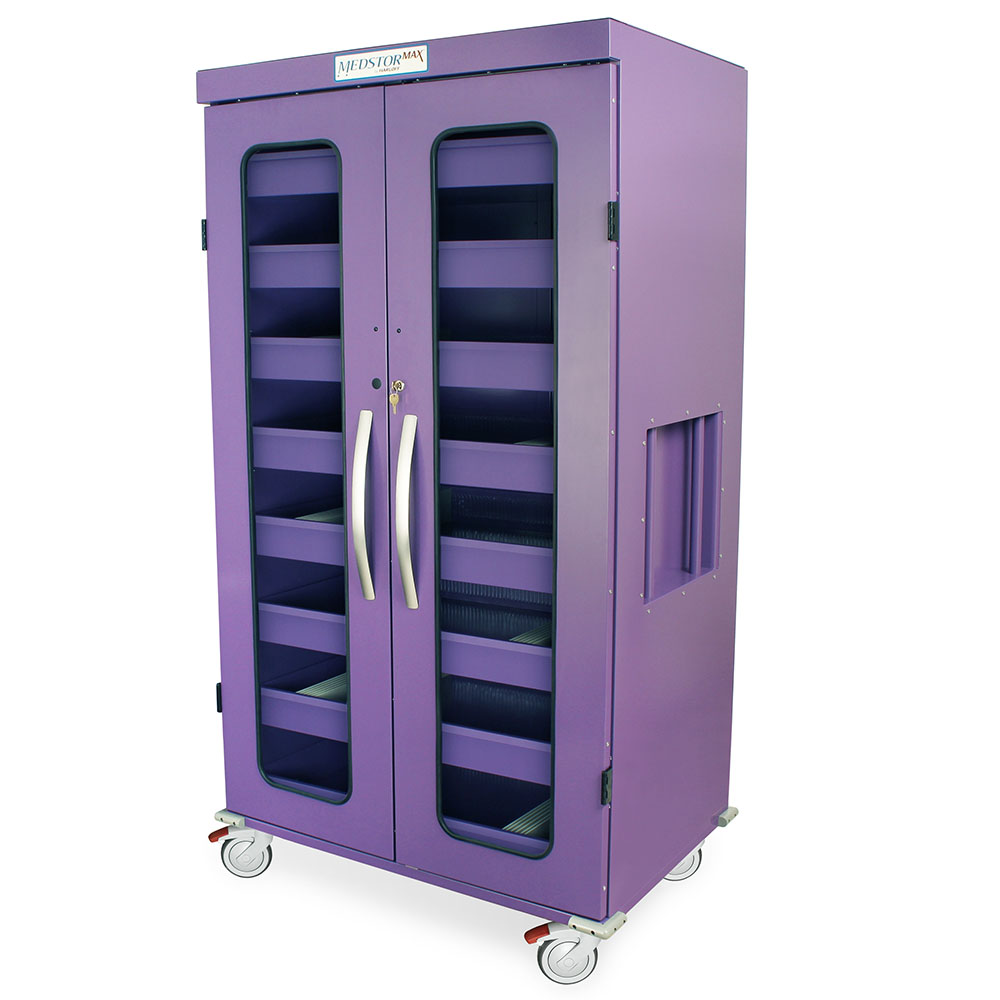
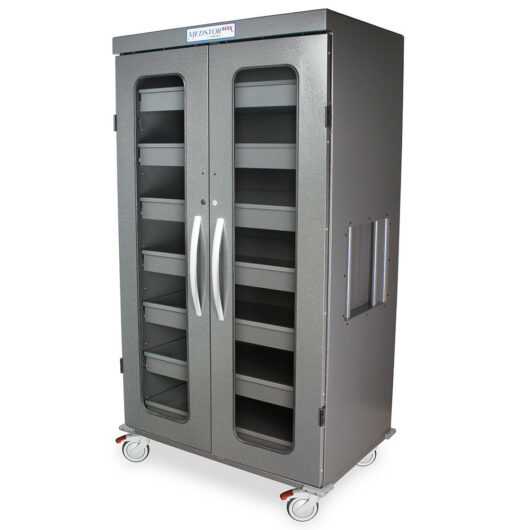
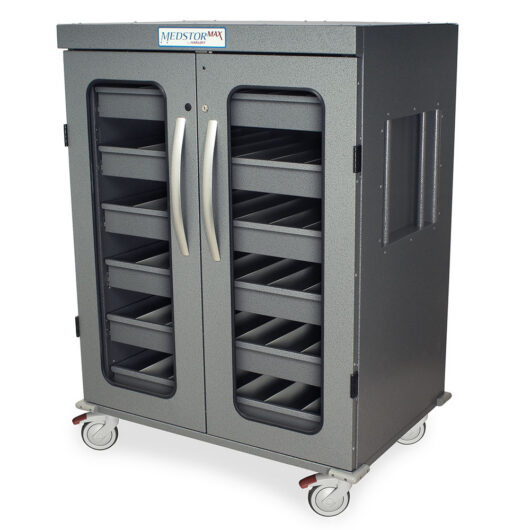
This Harloff IOL cart provides attractive, secure storage for IntraOcular Lens boxes. Provides mobility and is compatible with multiple brands and sizes of lens boxes including Alcon, Bausch and Lomb, Rayner, and Abbot Medical Optics.
MS-IOL1680 in High-Volume Surgical Environments and Real-World Use
The following insights are based on common usage patterns and feedback from ophthalmic surgical teams
What high-volume teams value most
“Everything is in one place.”
In higher-volume settings, teams often prioritize consolidating as much IOL inventory as possible into a single, organized system. The MS-IOL1680 is typically used as a primary storage hub, reducing the need to manage multiple smaller carts across the facility.
“It supports fast identification across a large inventory.”
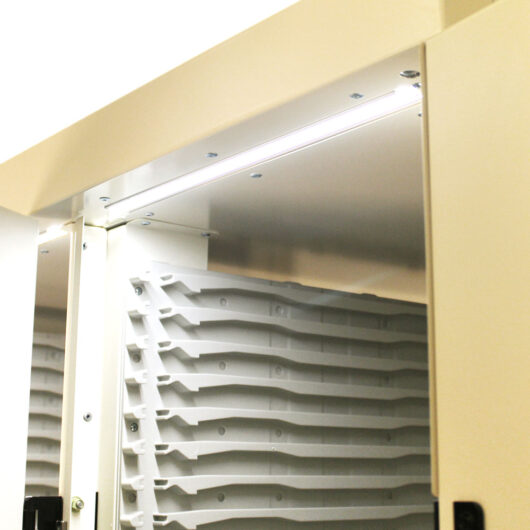
With a wide range of lens powers and models on hand, clear organization becomes critical. Teams often pair this cart with optional LED lighting to improve visibility, especially in lower-light storage areas or early-morning case preparation.
“It helps us stay organized as volume increases.”
As procedure volume grows, maintaining consistency in how lenses are stored and restocked becomes more important. Larger-capacity carts like this are often used to standardize inventory layout across teams and shifts.
Common use cases
- Centralized IOL storage: Acting as the primary inventory location for ophthalmology departments or ASCs
- High-volume case preparation: Supporting multiple procedures per day with a broad selection of lenses readily available
- Standardized inventory systems: Aligning storage layout across staff to reduce variability
- Multi-cart configurations: Placing multiple units side-by-side for expanded capacity beyond a single cart
Workflow considerations
Designed primarily for stationary use
While fully mobile, carts of this size are most often positioned in a dedicated storage area outside the OR. Mobility is typically used for initial placement, restocking, or facility changes rather than day-to-day movement.
Mobility vs. scale
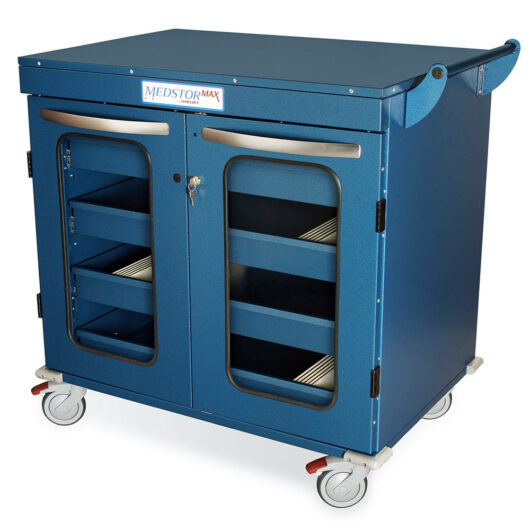
Compared to smaller carts, this model trades frequent maneuverability for significantly increased capacity. Many facilities pair it with a smaller mobile cart for in-room or per-case use.
Flexible installation options
For environments that do not require mobility, this model can also be configured without a base (no casters) or integrated into built-in storage layouts.
Security and access preferences
“We needed more than a standard key lock.”
Because of the value of IOL inventory, many facilities explore upgraded locking options. Electronic keypads and badge-access systems are commonly considered in environments where access control and auditability are priorities.
Who this model tends to work best for
- High-volume ambulatory surgery centers (ASCs)
- Hospitals and ophthalmology departments with large on-hand IOL inventory
- Facilities seeking a centralized, standardized storage solution
- Teams managing a wide range of lens types and powers
Where a smaller model may be a better fit
- Facilities that bring lenses directly into the OR for each case
- Teams that prioritize mobility and per-procedure staging
- Lower-volume environments where maximum capacity is not required

Reviews
There are no reviews yet.